
Wildlife Boxes
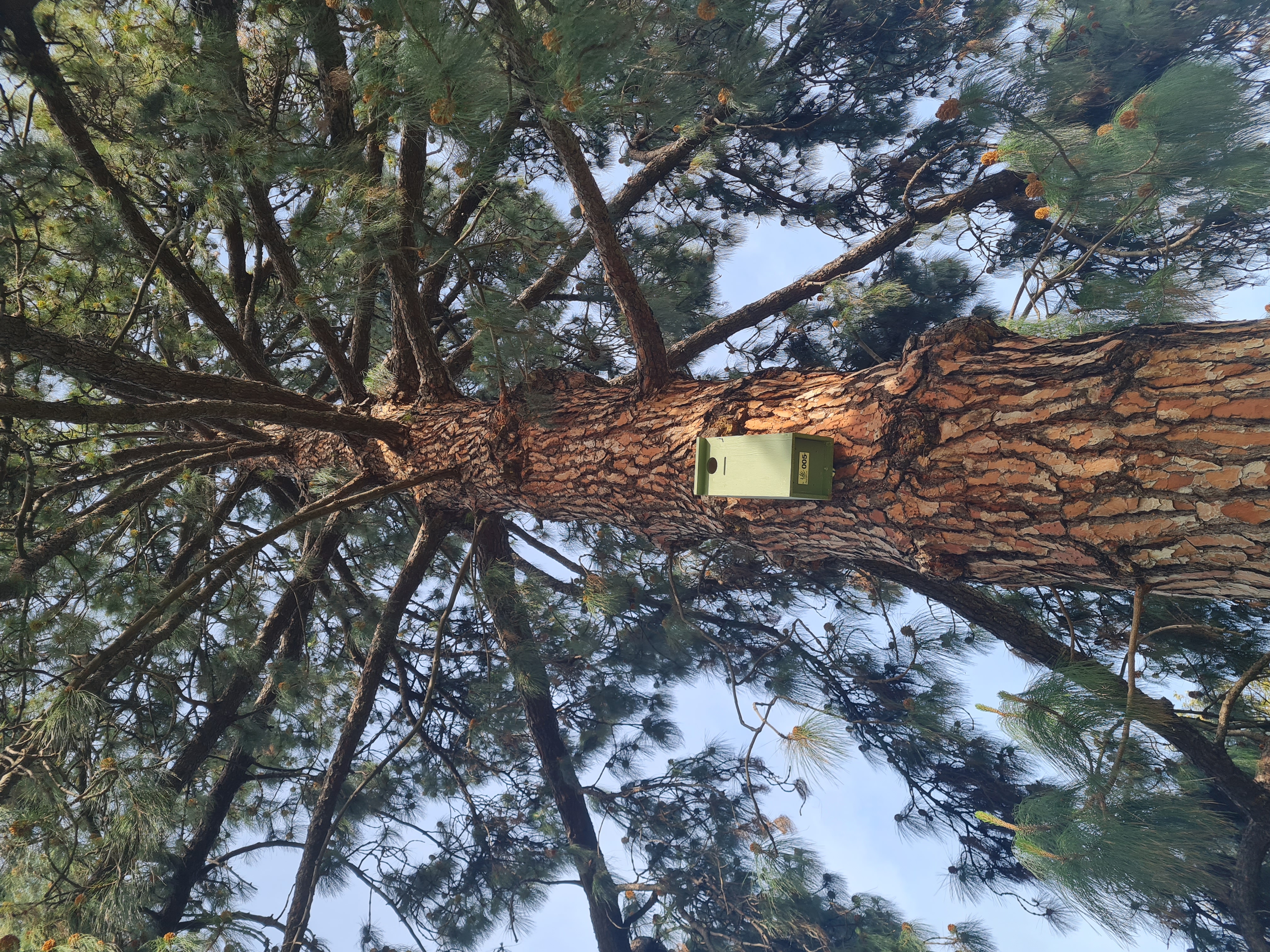
Did you know that Australia has the most hollow-dependent wildlife in the world?
In City of Prospect alone, we have over 15,000 trees growing within our streets and numerous parks. In additional to cooling our neighbourhoods and beautifying our streets, they also provide food and habitat for local wildlife.
However, the removal of dead trees and limbs have resulted in a decline in suitable hollows for native wildlife Australia-wide.
Tree hollows support nesting, roosting, and shelter for a huge variety of our beloved native Australian animals, like sugar gliders, cockatoos, kookaburras, microbats, ducks, owls, possums, parrots, and galahs.
It can take up to 100 years for a tree to develop suitable hollows and up to 400 years to develop hollows that can be used by larger wildlife such as possums and owls.

To assist our local fauna, we have installed multiple wildlife boxes in in our trees to provide shelter to animals that need them to breed and nurture their young.
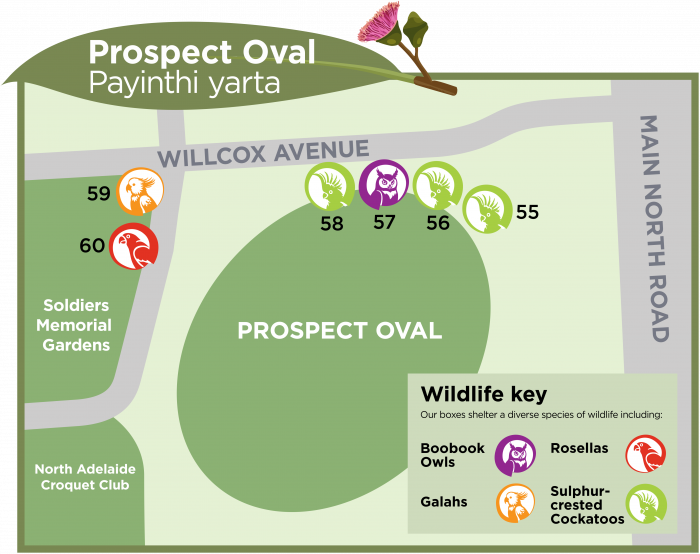
Multiple parks and reserves were scouted to account for wildlife needs, arboreal resources, community educational opportunities and orientation. Currently there are 60 boxes installed across 8 of our local parks and reserves, including St Helens Park, Prospect Oval / Payinthi yarta, and Broadview Oval.
This network of wildlife boxes will be managed and maintained by FauNature.
We've provided wildlife box location maps for each of the locations below.
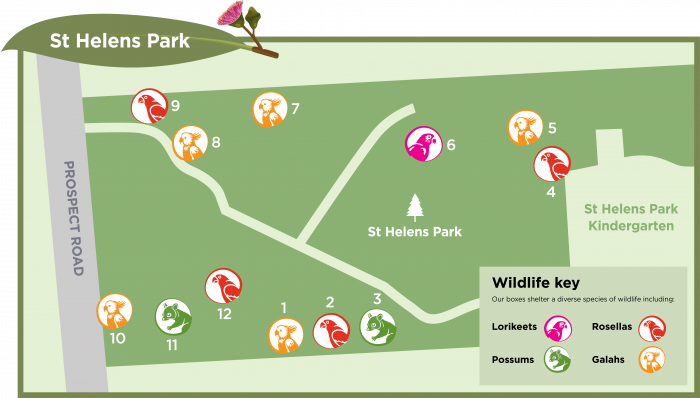
Download a copy of this map here
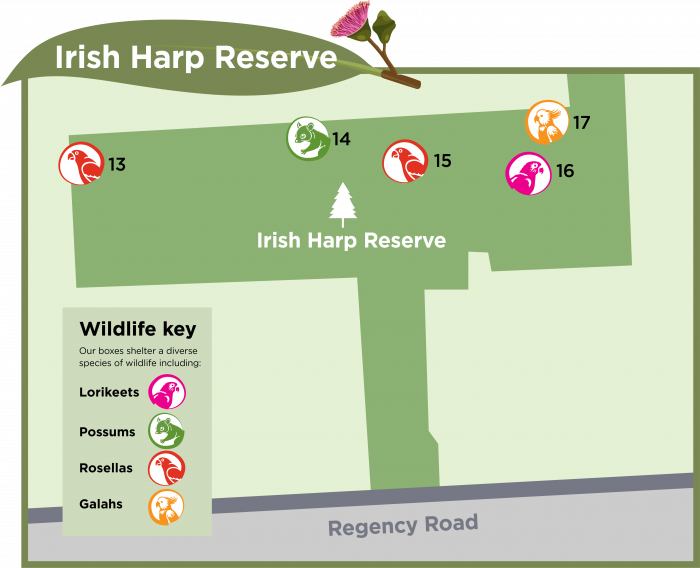
Download a copy of this map here
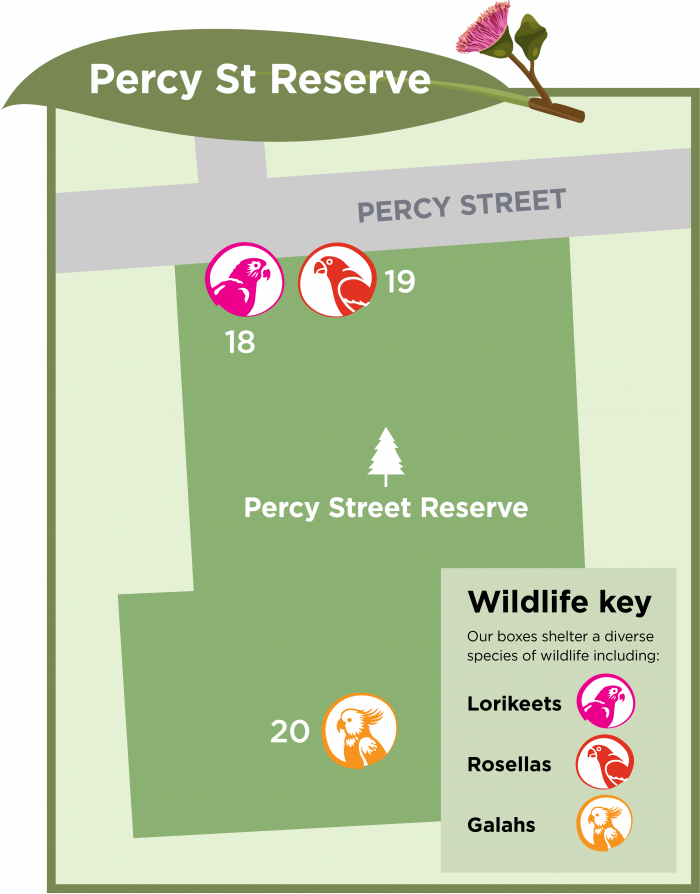
Download a copy of this map here
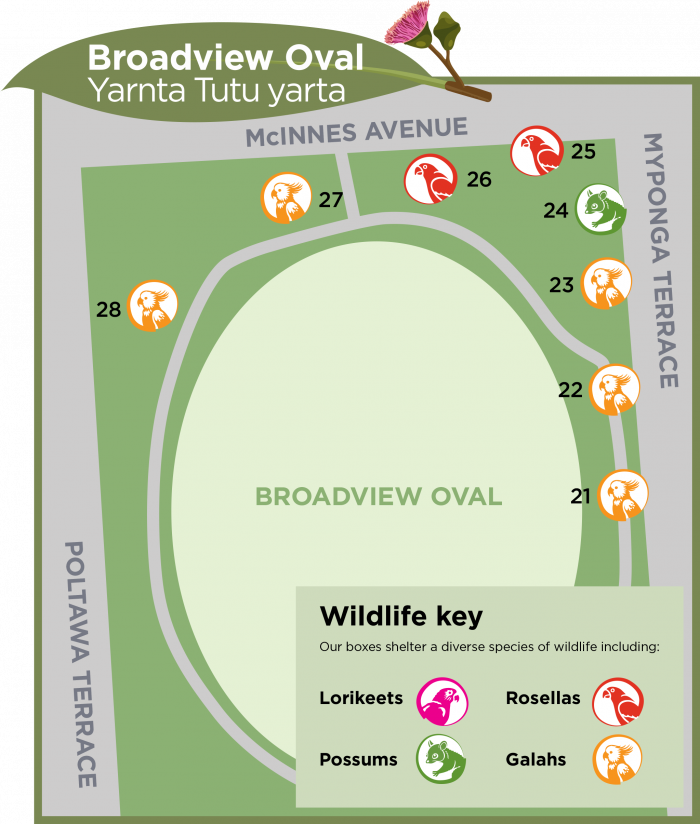
Download a copy of this map here
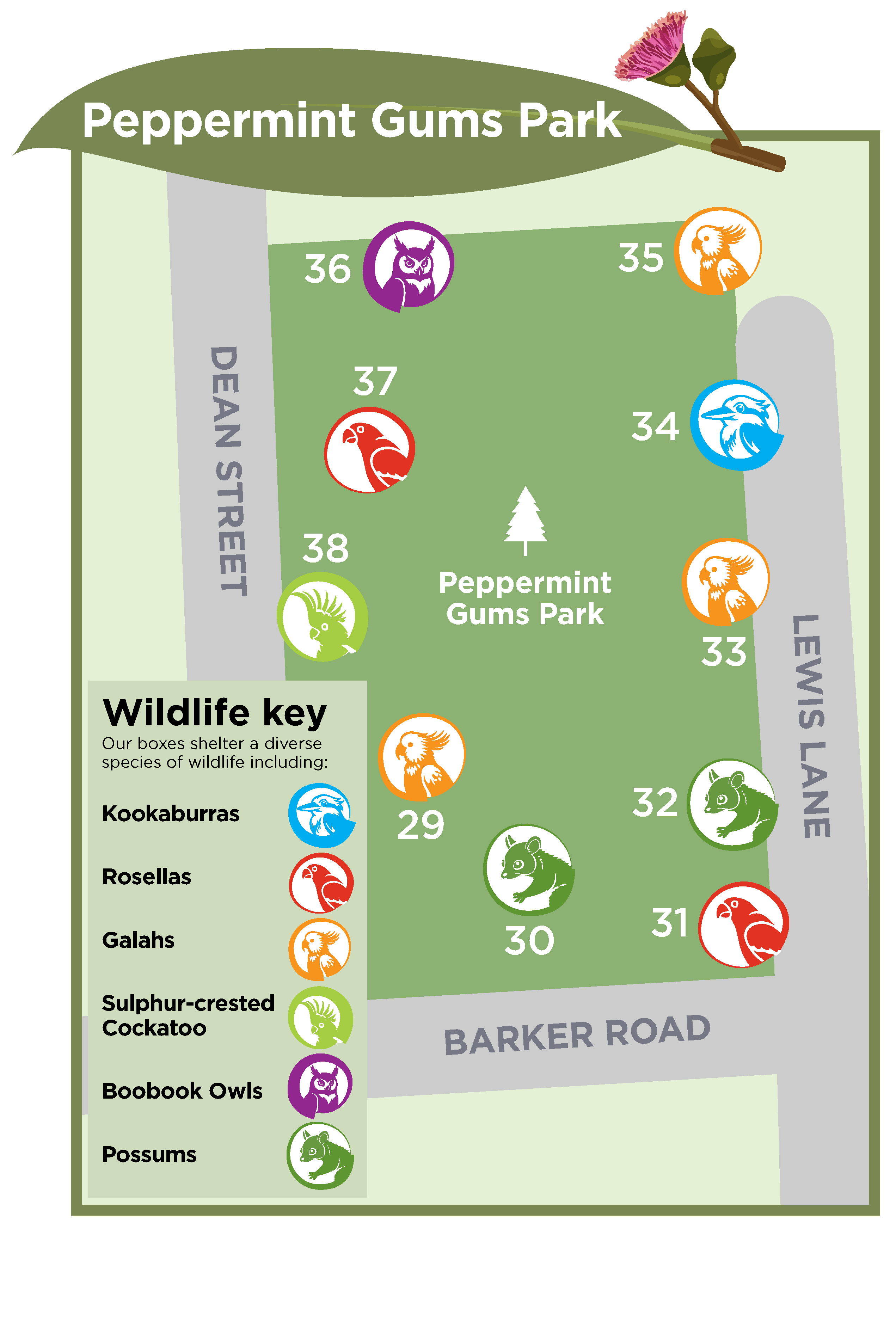
Download a copy of this map here
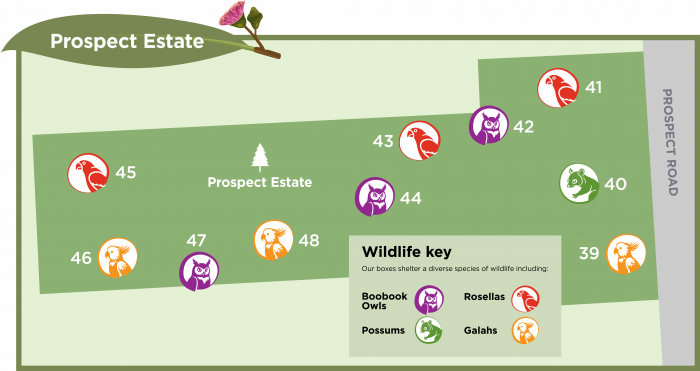
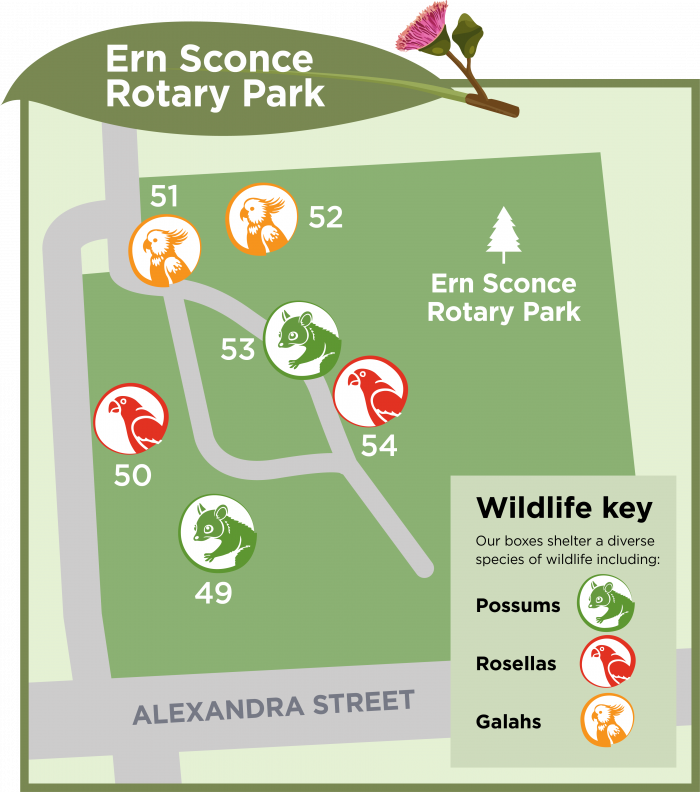
Contact us
For more information about our wildlife boxes, please call 8269 5355 and ask for our Environment and Sustainability Officer, or email admin@prospect.sa.gov.au.